What font pairings actually work for visual content today?
You do not need multiple typefaces to make a graphic stand out. Modern layouts rely on two matched families that share structure but differ in weight or width. Combine a geometric sans for headlines with a high-x-height serif for captions, and your message reads cleanly across feeds.
Why does pairing matter more than chasing a single trendy font?
A single font forces every element into the same rhythm, which flattens attention on busy screens. Contrasting typefaces build clear information pathways without adding decorative clutter. Designers use this contrast to direct the eye from hook to supporting details quickly. Better retention follows naturally when the brain processes hierarchy instead of fighting competing shapes.
This method fits most project types, but it delivers the strongest results when you are translating dense information into scrollable formats. Explore the full breakdown on current font pairing styles for visual content to see how structural contrast replaces heavy styling in professional grids.
How should I adjust the pairing to match my project’s actual constraints?
Match the visual texture of your typefaces to your typical rendering environment, much like choosing a cut that complements natural hair texture. Align geometric balance with the overall composition shape, ensuring heavy display fonts do not overpower delicate body copy. Select tools that match your editing pace, since variable fonts reduce daily maintenance compared to managing dozens of static files. Adjust spacing rules based on the target event or platform, whether you are designing for quiet email newsletters or loud festival posters.
Shape consistency matters when rebuilding templates repeatedly. Pair rounded humanist letters with soft display faces for lifestyle posts, or align sharp geometrics with crisp slabs for analytical updates. You will find platform-specific layouts documented in our review of best font combinations for Pinterest visuals typography trends.
What breaks a strong pairing, and how can I correct it quickly?
The quickest failure happens when novelty overrides alignment. Mismatched x-heights tilt text blocks visually even when baselines sit perfectly flat. Overlapping weights generate muddy contrast that confuses scanning patterns. Resolve these issues by verifying metric values first, then adjusting line height and contrast until each tier stands apart.
Build a strict two-tier system during early drafts. Keep secondary elements at least forty percent lighter than your main title. Test tight kerning pairs like “AV” or “Ty” before exporting. Creators who skip these checks often produce cramped labels that hurt engagement. Study proven scrolling layouts in our guide on modern typography trends for social media pins typography trends.
Validation checklist before publishing
- Limit your palette to one display family and one reading family.
- Ensure weight contrast stays above thirty percent.
- Verify legibility at ninety pixels wide on a standard screen.
- Set line height between one-twelve and one-fifty times the base size.
Test the combination on a phone, a tablet, and a laptop. Any collapsed character shape requires immediate tracking increases or a drop to a lighter weight. Minor tweaks usually restore clarity without rebuilding the frame. Save your working ratios to a reference sheet, then reuse them across upcoming campaigns.
Download Now Best Font Pairings for Pinterest Pins 2024
 Modern Typography Trends for Social Media Pins
 Best Font Combinations for Pinterest Visuals
 Bold and Clean Font Pairings for Pinterest Pins
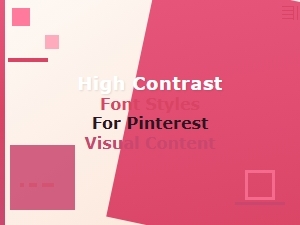 High Contrast Font Styles for Pinterest Visuals
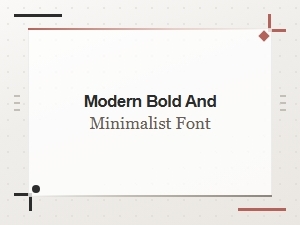 Modern Bold and Minimalist Font Pairings